
Goa Targets Milk Self-Sufficiency Through Fodder Cultivation
Background
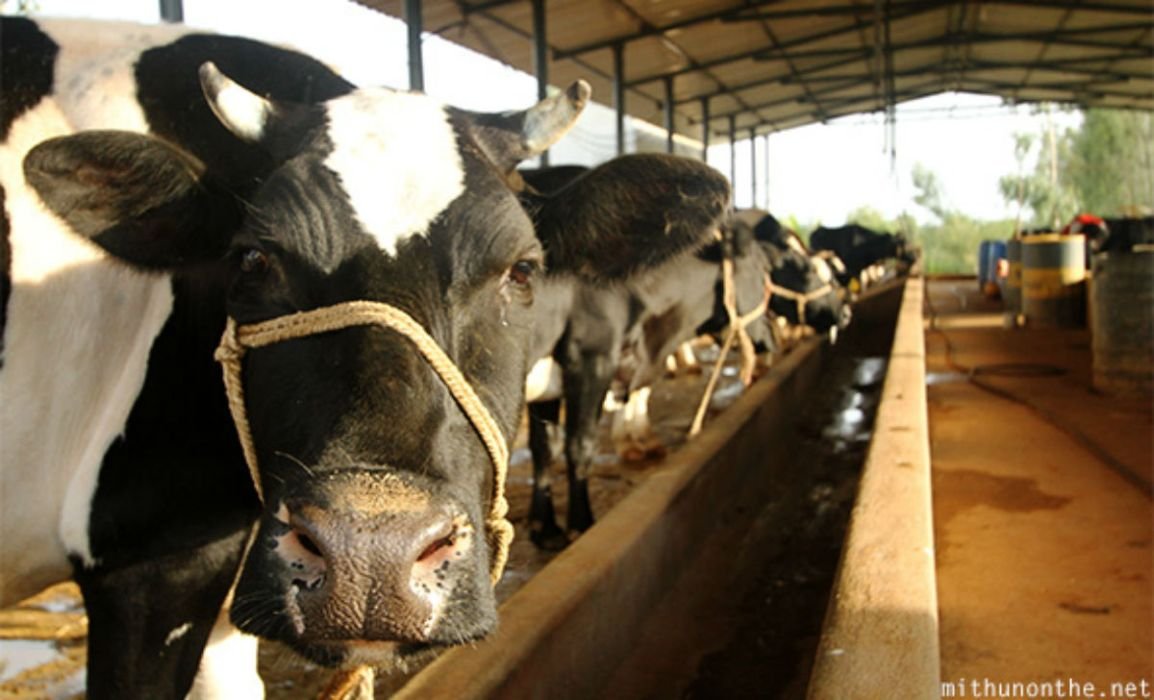
Goa is taking steps to strengthen its dairy sector and move towards greater milk self-sufficiency. With the state currently meeting only around one-third of its milk demand, improving fodder availability is an important part of supporting local dairy production and reducing dependence on external supplies.
Strengthening Fodder Security
As part of this effort, 10 villages—five in North Goa and five in South Goa—have been selected for a five-year fodder cultivation pilot scheme. The initiative has a proposed investment of ₹1.38 crore and focuses on expanding the availability of locally cultivated fodder.
The pilot aims to increase the fodder cultivation area from less than 1,000 hectares to around 10,000 hectares. A larger and more reliable fodder base can support dairy farmers by improving access to feed for cattle and strengthening the foundation of milk production.
The initiative also addresses a key challenge faced by the dairy sector: ensuring adequate fodder throughout the year. By encouraging cultivation within selected villages, the programme can help build greater local fodder security while supporting farmers and livestock.
Strengthening the dairy sector can have wider benefits for rural communities as well. Better fodder availability can contribute to more sustainable livestock management and create stronger conditions for local milk production.
Conclusion
The five-year fodder cultivation pilot marks an important step towards strengthening Goa’s dairy sector and improving its capacity to meet local milk demand. By expanding fodder cultivation and supporting villages involved in the initiative, the state is building a stronger foundation for dairy development.
This is how Transforming Goa is taking shape—by strengthening agriculture, supporting rural livelihoods and improving fodder security while working towards a more self-sufficient and resilient dairy sector.